

Astrology – The Art of Interpreting Time
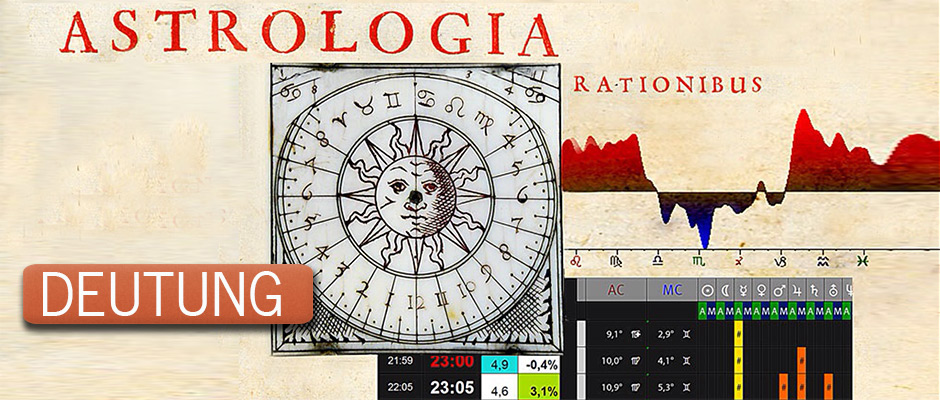
For millennia, astrology has accompanied the cultural history of humankind. It is the oldest engagement with questions of being, existence, becoming and passing away. It is the attempt to draw conclusions about meaning and structures from the manifestations of the visible world and to articulate them.
In all cultures, we find traditions, observatories for the sun, moon and stars, and the question of interpretation. The stellar constellations are a cosmic clock; their course is a score of time. The interpretation of this score is an art, not a science – just as playing an instrument is a matter of technique, experience and creativity.
This score of time always transcends our respective understanding of the world. Astrological interpretation reveals the unknown, backgrounds, complexity and contextuality across realms of existence. This is a challenge, for hardly anything is as it appears.
Astrology as the Art of Interpretation
Based on traditional and new methods, I have further developed the interpretive capacity of astrological analysis. This produces precise statements about the course of time and its effects on geographic regions as well as in life or the progression of developments.
Research and Methodology
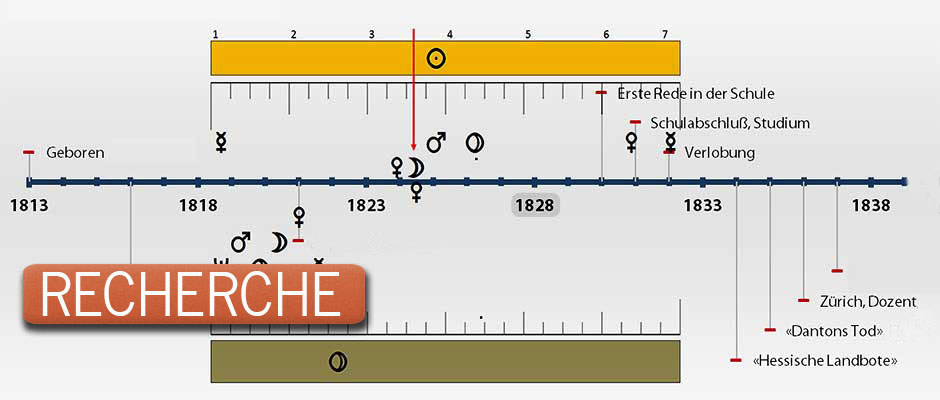
My work combines traditional knowledge with my own research: I discover what were already comparable foundations in earlier times, and also develop new methods and interpretive approaches. My over 100 teaching videos and courses are not a repetition of existing tradition, but an abundance of deepening techniques for precise astrological practice.
Services
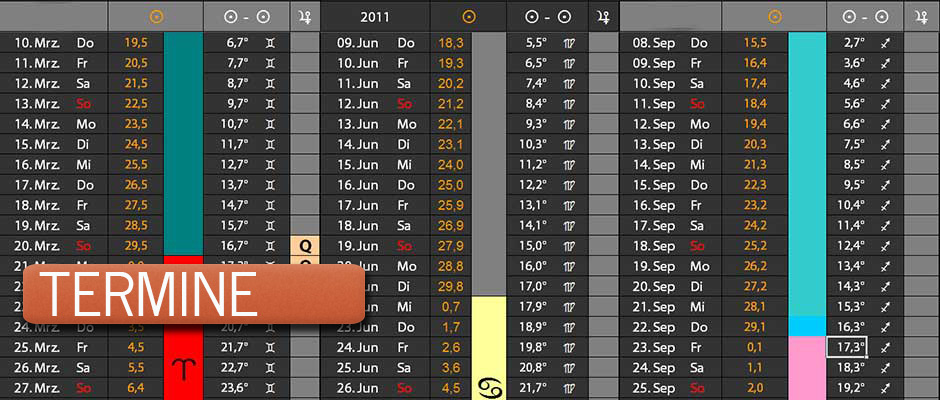
Prognosticon stands for competent astrological work. These interpretive and cognitive pathways open perspectives and provide well-founded answers to concrete questions – for personal horoscopes as well as for the development of companies and projects.
Benefits
Astrology offers orientation in life and decision-making phases, makes developments visible and enables well-founded assessments of timing – through skilled interpretive art.
More on the historical context can be found in the History section.
Wolfgang Hauck